


Abstract Background Recent studies have suggested that prodromal stages of Alzheimer’s Disease (AD) are accompanied with central auditory system dysfunction, which may be used as early indicators of disease onset and progression. In AD patients of 60 years old and more and in APOE4 carriers, atypical patterns of oscillatory entrainment to repetitive sound transients have been reported and suggested as potential neuromarkers of AD. Whether such alterations of auditory functions relate to genetic risk factor of AD (APOE4) at an early age (<30) is unknown. Method We used EEG recordings to measure auditory responses to repetitive sounds (1 second click trains presented at various frequencies (10‐250Hz) in 32 young neurotypical participants). To test whether auditory responsivity is affected by AD risk factor, we compared auditory brain responses from 17 APOE3 (age mean = 21.6, sd = 1.8) and 17 APOE4 carriers (age mean = 23.6, sd = 4.9). Result Comparing the magnitude of auditory event related potentials (ERP) we observed that APOE4 carriers exhibit slightly attenuated P2 and P3 ERP responses as well as delayed N1 and P2 ERP responses compared to APOE3 carriers. Focusing on Auditory Steady State Response (ASSR) power across frequencies (10‐90Hz), we observed that APOE3 carriers exhibit reliably larger neural entrainment than APOE4 carriers (Cohens’ d = 0.8, ‘large’ effect size). This difference was sustained across the peristimulus time course and did vary across stimulus frequencies. Conclusion Overall, these results suggest that central auditory differences can be detected very early in at‐risk populations. Studying these signals could help identify early AD pathology and provide an entry point for therapeutic interventions against neurodegeneration.
Publication scientifique
Alzheimer’s Disease genetic risk factor APoE 4 impact auditory processing in young adults
Autres publications de la plateforme
The nutritional and metabolic impact of night shift work in a...
Jassil, Friedrich C.; Phillips, Nicholas E.; Hemmer, Alexandra; Joris, Céline; Biancolin, Andrew D.; Hartmeyer, Steffen L.; Dorribo, Victor; Perrig, Stephen; Genton, Laurence; Sterpenich, Virginie; Salathé, Marcel; Pralong, Jacques A.; Andersen, Marilyne; Pichard, Claude; Dibner, Charna; Collet, Tinh-Hai
npj Biological Timing and Sleep
Age and gender-related neurophysiological changes in sleep and wake states during...
Mammeri, Kevin; Legendre, Guillaume; Journal, Fiona; Fernandez, Nathalie; Ruppen-Maret, Helene; Combey, Joanny; Schwartz, Sophie; Sterpenich, Virginie
Developmental Cognitive Neuroscience
Multivariate deep phenotyping reveals behavioral correlates of non-restorative sleep in 22q11.2...
Reich, Natacha; Imparato, Andrea; Cataldi, Jacinthe; Thillainathan, Niveettha; Delavari, Farnaz; Schneider, Maude; Eliez, Stephan; Siclari, Francesca; Sandini, Corrado
Psychiatry Research
Impact of spindle-inspired transcranial alternating current stimulation during a nap on...
Moyne, Maëva; Durand-Ruel, Manon; Park, Chang-Hyun; Salamanca-Giron, Roberto; Sterpenich, Virgine; Schwartz, Sophie; Hummel, Friedhelm C; Morishita, Takuya
Sleep Advances
Exploring the Long‐Lasting Effect of Mindfulness‐Based Intervention in Very Preterm Adolescents...
Siffredi, Vanessa; Liverani, Maria Chiara; Fernandez, Natalia B.; Hüppi, Petra Susan; Borradori Tolsa, Cristina; Ha‐Vinh Leuchter, Russia
Child: Care, Health and Development
The cathartic dream: Using a large language model to study a...
Perogamvros, Lampros; Rochas, Vincent; Beau, Jean‐Baptiste; Sterpenich, Virginie; Bayer, Laurence
Journal of Sleep Research
Journal de publication
Alzheimer's & Dementia
Auteurs:
Ducos, Emma Marie Madeleine; Schneefeld, Felix; Igloi, Kinga; Arnal, Luc H.
Date de publication:
Plateforme:
Études récentes de la plateforme
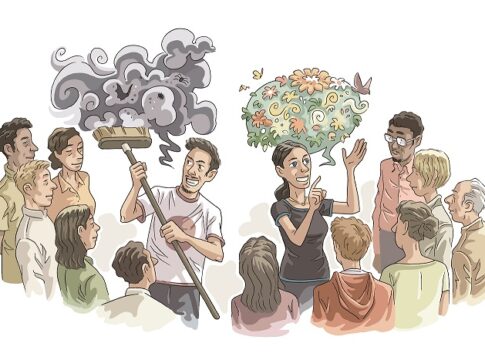
Psychothérapie pour soigner les déficits de motivation
Une approche psychothérapeutique
Révéler les mécanismes neuronaux de la psychothérapie pour le traitement des symptômes négatifs
Les recherches cliniques suggèrent que des interventions psychothérapeutiques ciblant...

Analyse géospatiale des traumatismes crâniens à Genève
Cartographie des données pour une prévention territoriale
Tranformer des données venant des hôpitaux publics jusqu'à des informations territoriales exploitables
À partir des données anonymisées recueillies...
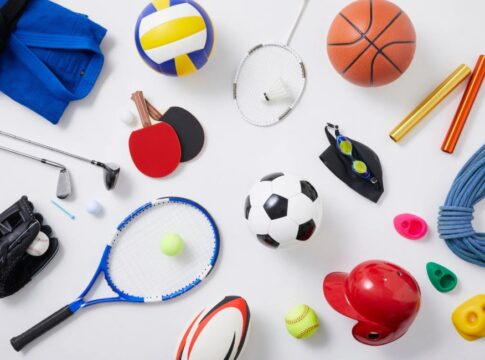
Combattre les traumatismes dus aux sports
Comprendre les comportements liés aux commotions cérébrales
Développer un outil pour évaluer les connaissances, les attitudes et les comportements dans le sport
Le projet TraumaSport-GE...